


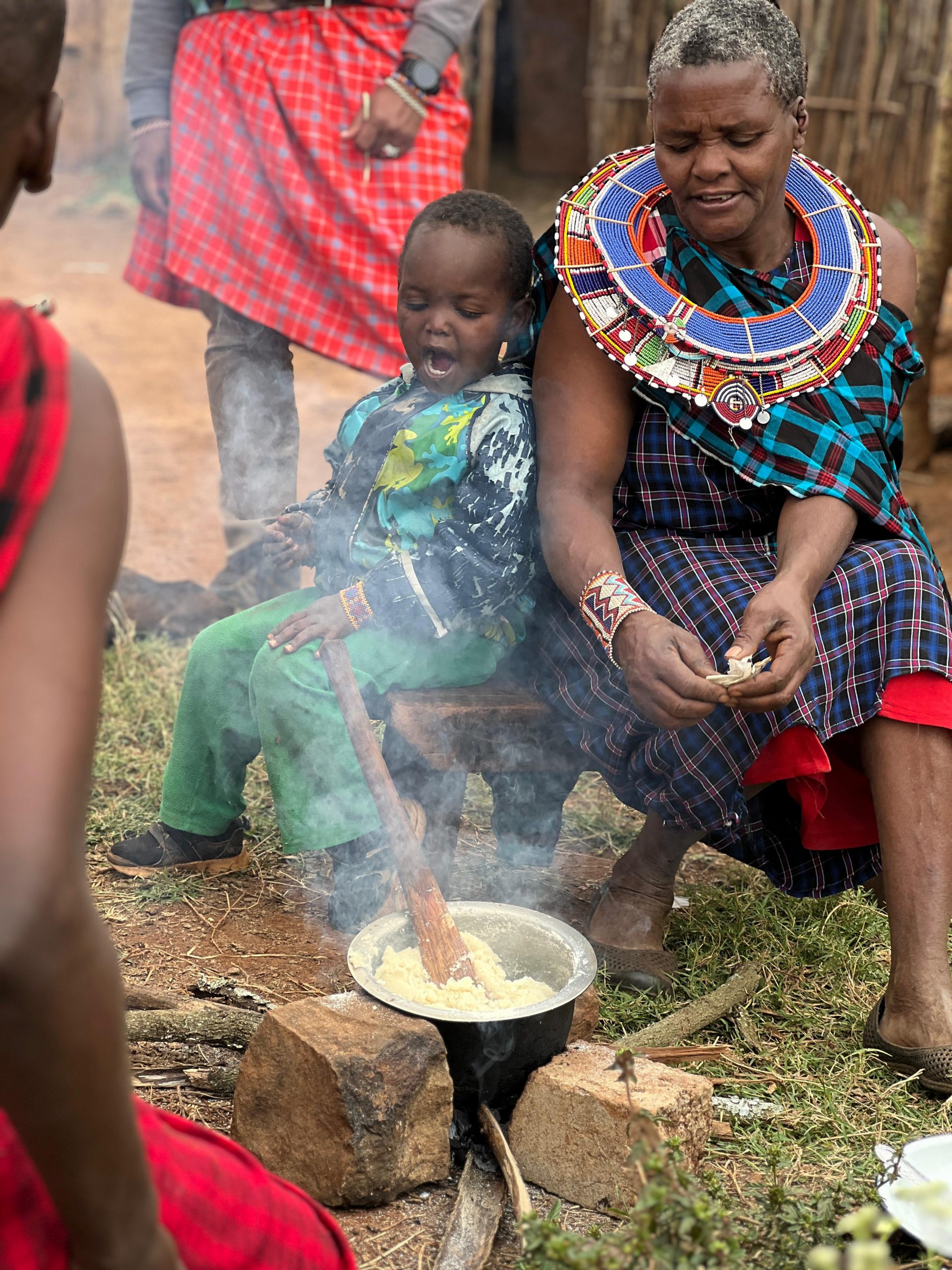
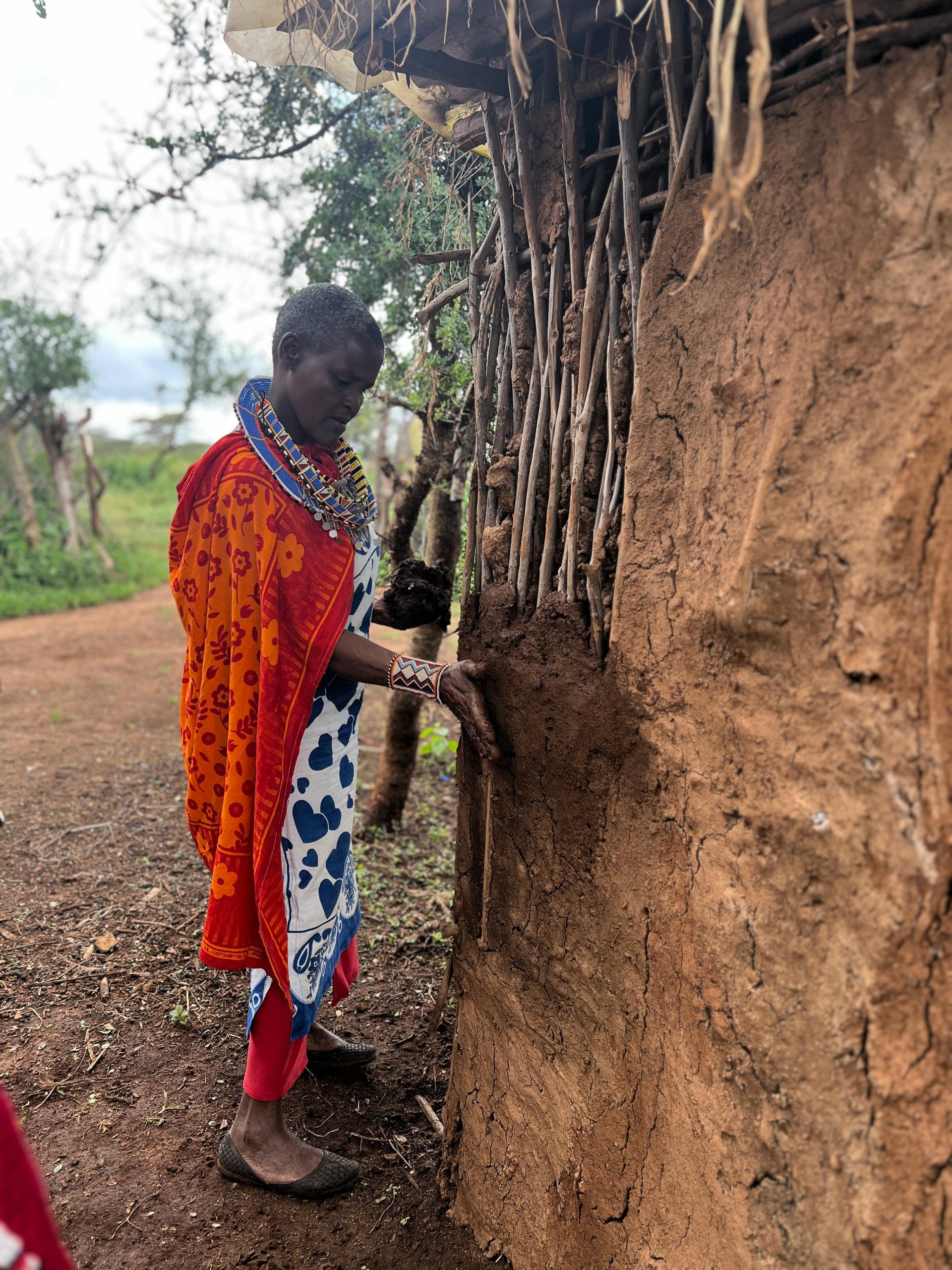
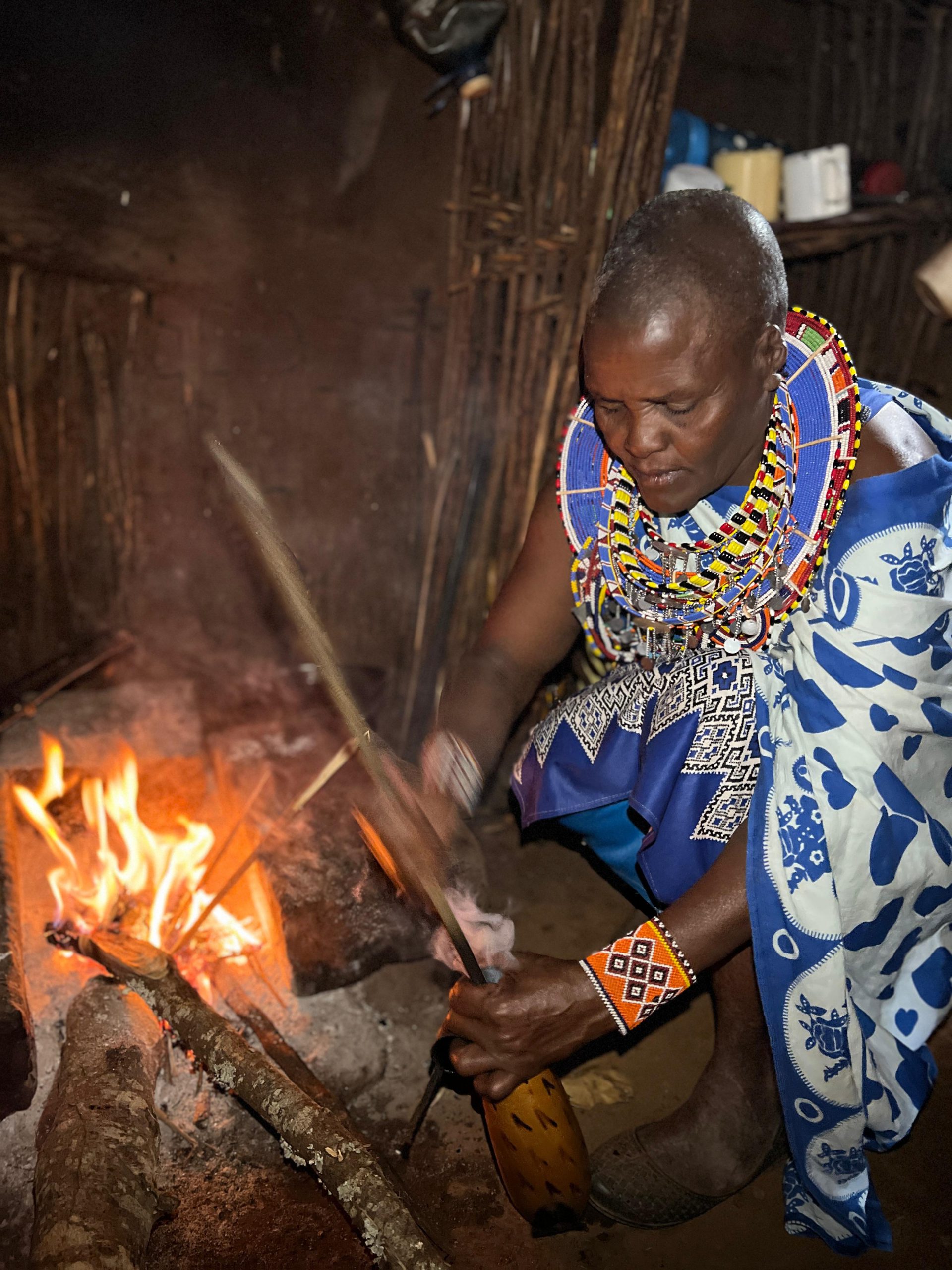
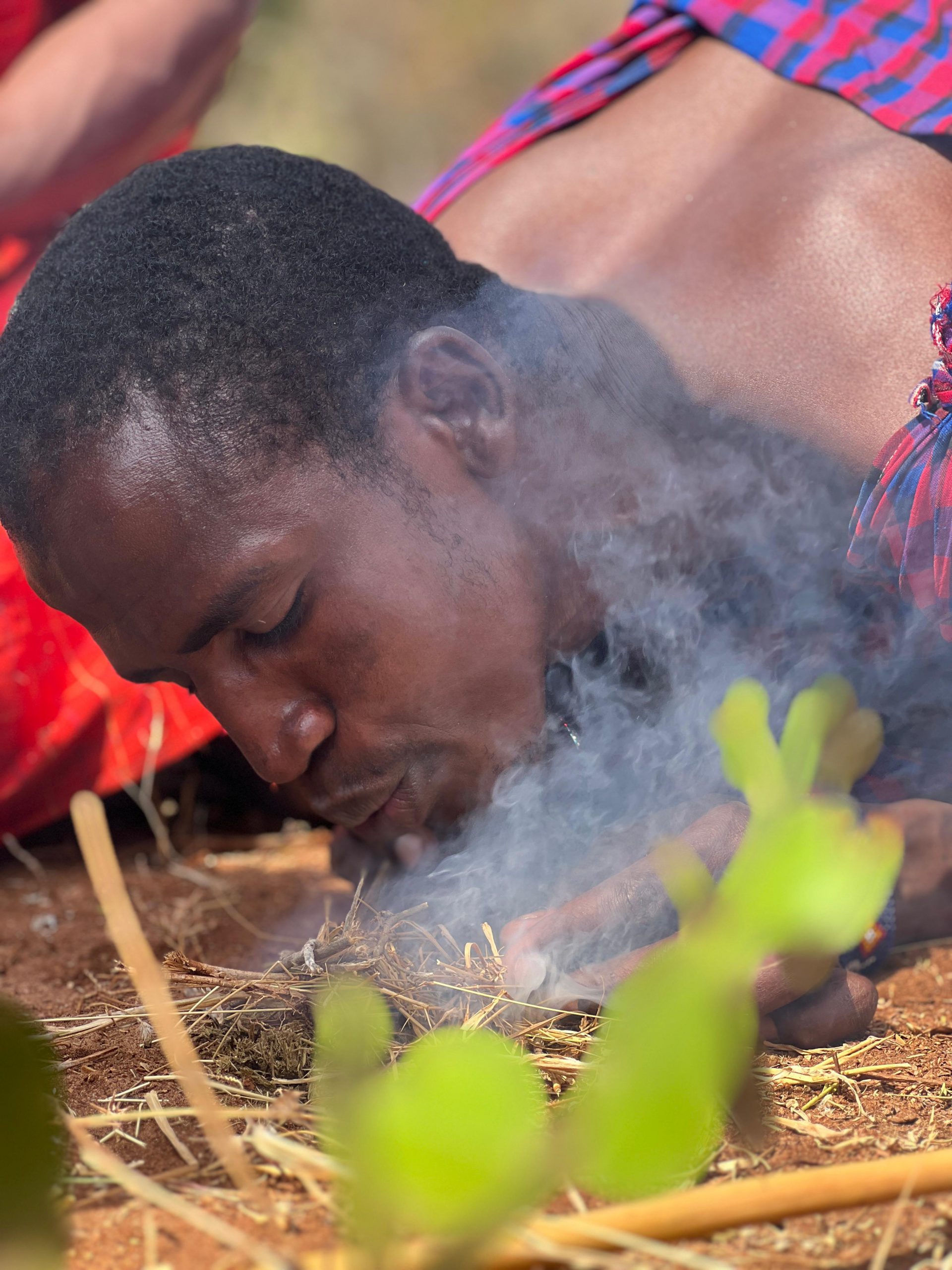
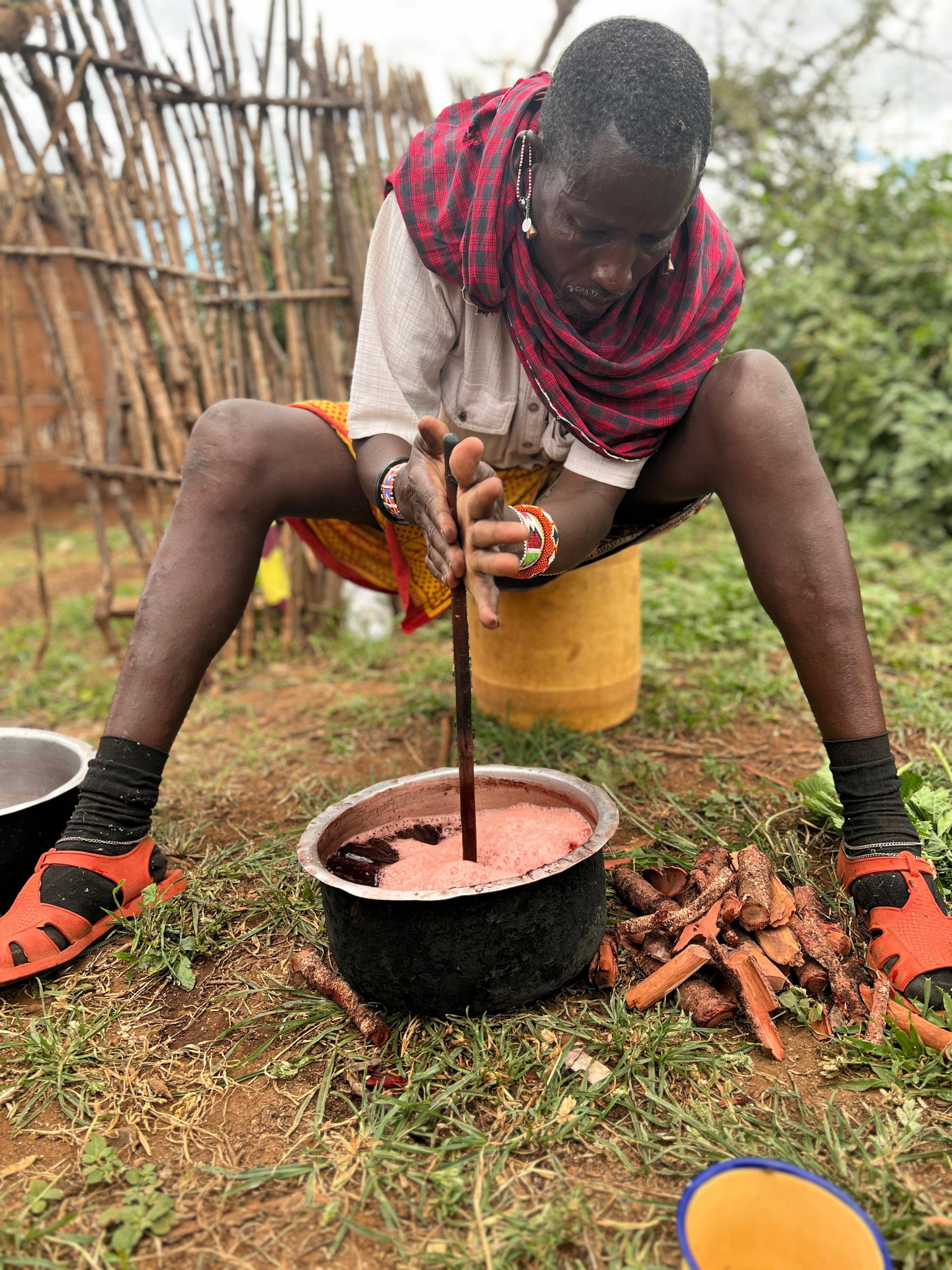
The Maasai culture is one of the most vibrant and well-known traditional cultures in East Africa, mainly found in southern Kenya and northern Tanzania. The Maasai people are renowned for their distinctive customs, dress, and deep-rooted traditions that have endured despite modernization. They are semi-nomadic pastoralists, traditionally relying on cattle as their primary source of livelihood and as a symbol of wealth, power, and status. In Maasai culture, cattle are not only a source of food—providing milk, blood, and occasionally meat—but also play an important role in social and spiritual life.This is a cultural tour to the Masai community. The community is known around East Africa for preserving the culture
| Destination | Kajiado County |
|---|---|
| Depature | Yes Required |
| Departure Time | 07.30AM |
| Return Time | 03.30PM |
| Included |
|
| Excluded |
|
 Travel With Car Travel With Car |
|
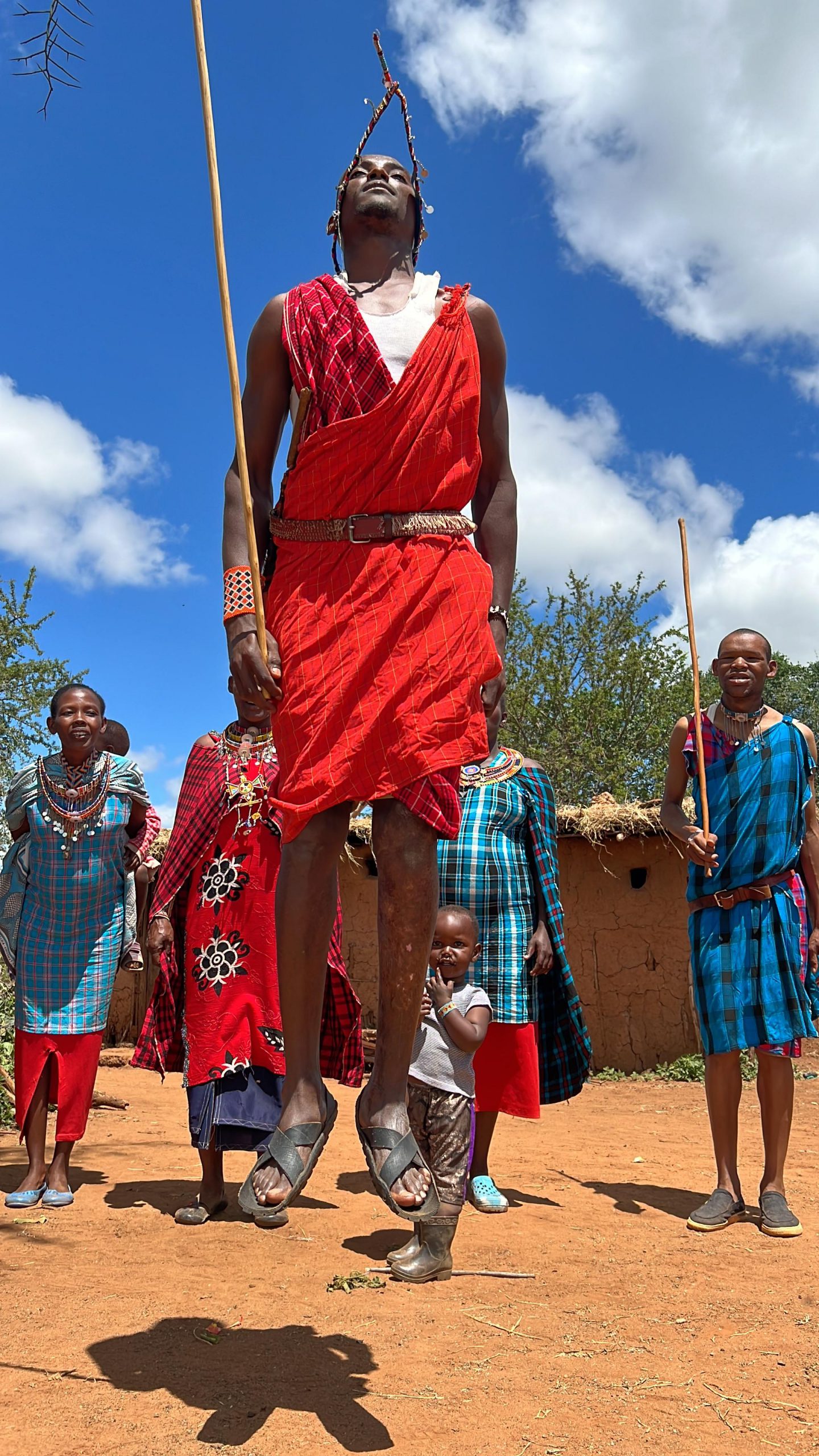
The Maasai speak the Maa language, although many are also fluent in Swahili and English. Their social structure is based on age sets, where individuals progress through various stages of life together, from childhood to elderhood. Each stage has specific roles and responsibilities, and ceremonies mark important transitions, such as circumcision and initiation into adulthood.
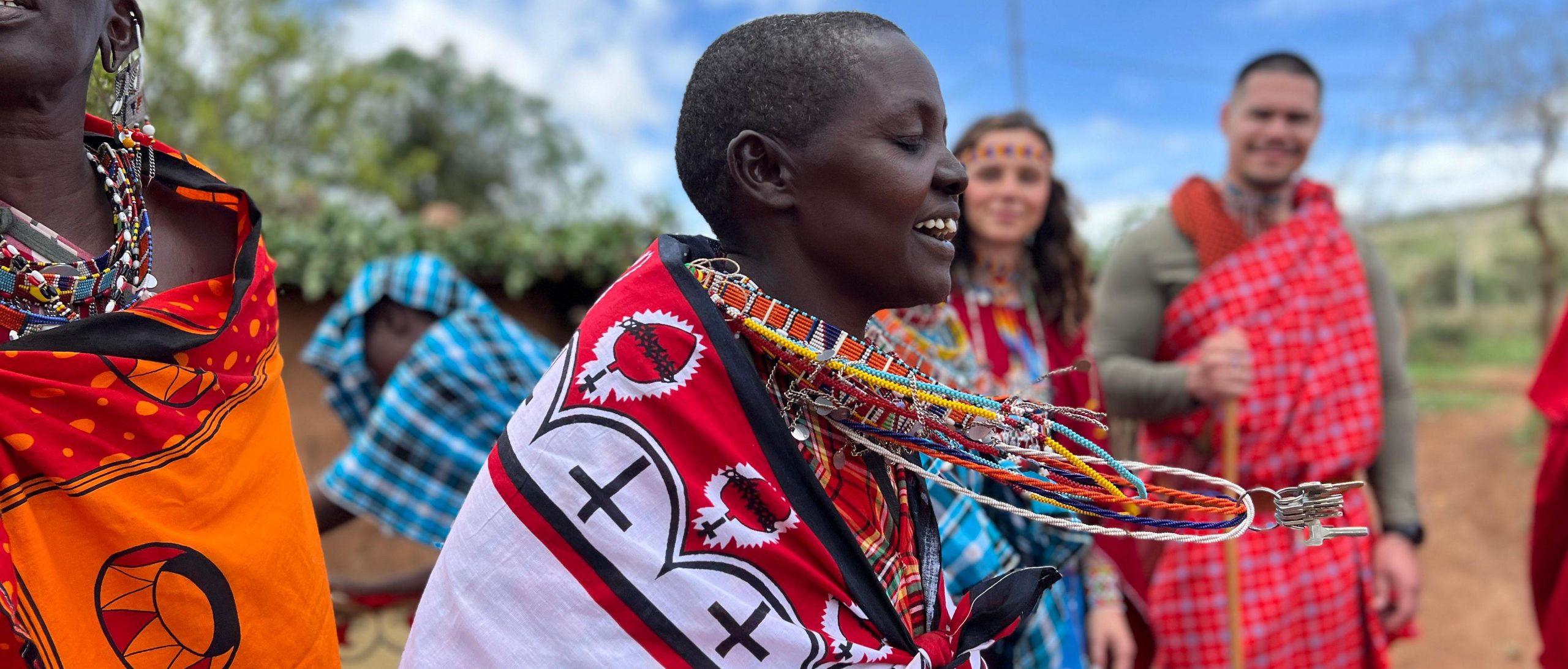
Traditional Maasai attire is colorful and symbolic. The famous shúkà, a red or checked cloth worn around the body, represents strength and courage. Beadwork is another essential aspect of Maasai culture, especially for women. The colors and patterns in the beadwork carry cultural meanings—red stands for bravery, blue for energy, and white for purity.
The Maasai are also known for their rich oral traditions, including storytelling, proverbs, and songs that preserve their history and values. Their spiritual beliefs center around Enkai (or Engai), the supreme God associated with fertility, rain, and cattle.









Write Your Review